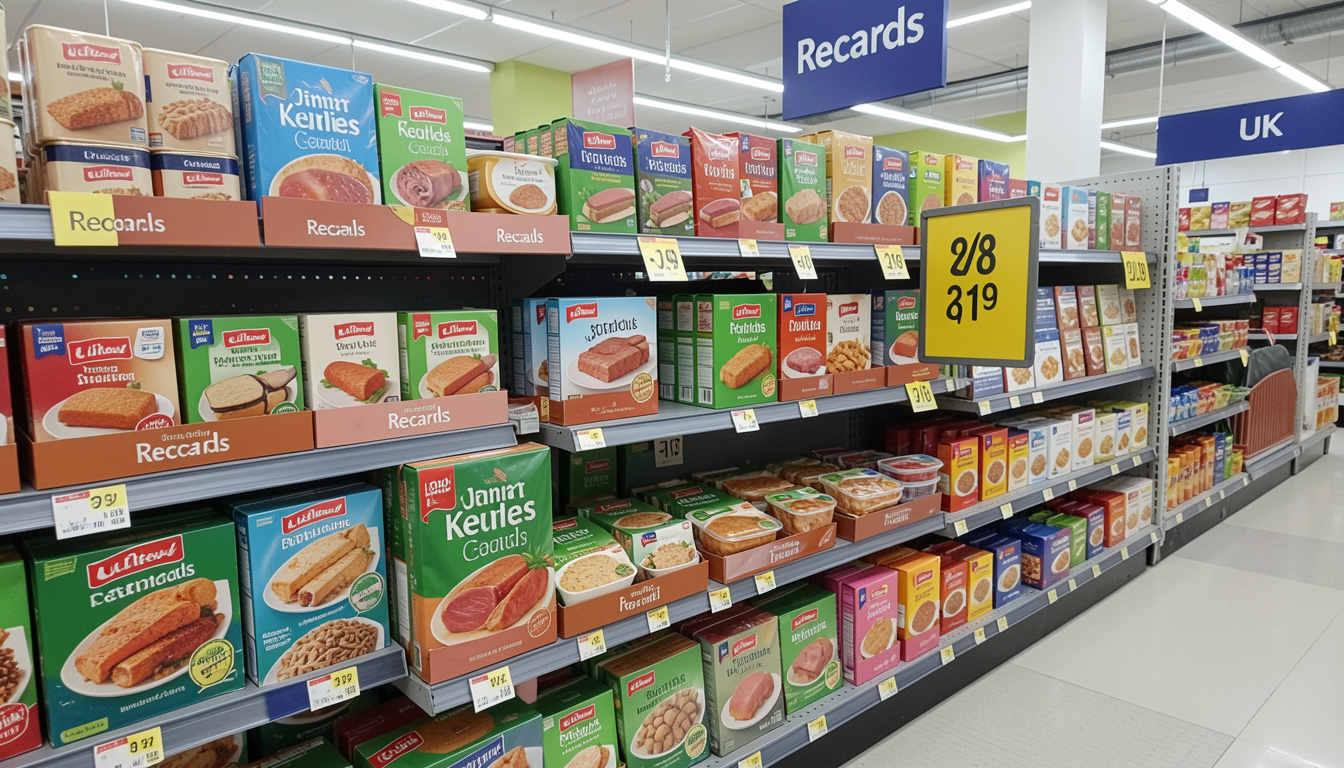
Have you ever looked in your kitchen cupboard and wondered if your favorite snacks are truly safe? We all trust our local shops to sell high-quality groceries. However, sometimes things go wrong behind the scenes. Whether it is a tiny piece of plastic or a missing allergy label, uk supermarket food recalls happen more often than you might think. Staying informed isn’t just about being smart; it is about keeping your family healthy and happy.
In this guide, we will break down everything you need to know about recent alerts. From big-name stores like Tesco and Waitrose to smaller local brands, we will explain how the system works. You don’t need to be a scientist to understand food safety. We are here to make it simple, clear, and easy to follow. Let’s dive into the world of uk supermarket food recalls and learn how to protect your dinner plate.
Table of Contents
What Exactly is a Food Recall?
A food recall is like a “safety alarm” for your groceries. It happens when a business or the government finds a problem with a product that has already been sold. When uk supermarket food recalls are announced, it means the item could be dangerous to eat. This is different from a “withdrawal,” which is when a shop pulls an item off the shelf before anyone buys it.
Think of it as a proactive step to keep you safe. If a company realizes they made a mistake, they tell the public immediately. This honesty helps build trust between the shops and the people who buy from them. During uk supermarket food recalls, the goal is to get that specific food out of your home and back to the store as fast as possible.
Common Reasons for UK Supermarket Food Recalls
Why does food get sent back? Usually, it falls into three main categories. First, there might be “physical contamination.” This sounds scary, but it just means things like small bits of metal, plastic, or even glass accidentally fell into the food during the packing process.
Second, there are “biological risks.” This involves tiny germs like Salmonella or Listeria that can make you feel very poorly. Lastly, and most commonly, there are “allergy alerts.” If a bag of nuts doesn’t say “contains nuts” on the label, it triggers uk supermarket food recalls. Even a small labeling mistake can be a big risk for someone with a serious allergy.
Read More : Retatrutide UK: The Next Big Thing in Weight Loss?
Recent UK Supermarket Food Recalls (Spring 2026)
Staying up to date is vital because new alerts come out every week. For example, in early April 2026, we saw several high-profile notices. A popular brand called The Curing Barn had to recall its British Bresaola because of Listeria concerns. Similarly, MOMA Foods recalled various porridge pots due to potential contamination at their factory.
These uk supermarket food recalls show that even healthy foods can face issues. It is not just about “junk food.” Even your morning oats or gourmet meats can be affected. By keeping an eye on these lists, you can ensure that the food in your fridge is always the best quality for your loved ones.
Summary of Latest Recalls
| Product Name | Brand/Store | Reason for Recall | Date of Alert |
| British Bresaola (60g) | The Curing Barn | Listeria contamination | April 5, 2026 |
| M&M’s Pipoca (Popcorn) | 3D Trading | Undeclared Peanuts/Gluten | March 31, 2026 |
| Porridge Pots & Sachets | MOMA Foods | Possible contamination | March 22, 2026 |
| Turkey Breast Pastrami | Waitrose / Gilbert’s | Listeria Monocytogenes | March 31, 2026 |
| Minted Lamb Burgers | HECK | Undeclared Milk | March 2026 |
How to if Your Food is Affected
Checking for uk supermarket food recalls is easier than doing a crossword puzzle! When an alert is issued, the shop will post a “Point of Sale” notice. These are usually bright posters near the entrance or the checkout. However, most of us shop online now, so it is also smart to check the Food Standards Agency (FSA) website.
You should look at the “Best Before” or “Use By” dates on your packaging. Recalls usually only affect specific batches, not every single item ever made. If your pack matches the dates or “batch codes” listed in the uk supermarket food recalls notice, then you know you have the affected item. It only takes a minute to check, and it provides great peace of mind.
What Should You Do if You Have a Recalled Item?
If you find a recalled product in your kitchen, the first rule is: Do not eat it! Even if it looks fine and smells okay, tiny bacteria or bits of plastic might be hidden inside. Instead, put the item in a bag and keep it separate from your other food so nobody else eats it by mistake.
The next step is to take it back to the shop where you bought it. For almost all uk supermarket food recalls, you do not even need your receipt. The stores are happy to give you a full refund because they want to ensure the product is disposed of safely. It is a quick and easy process that helps the shop track how many dangerous items are still out there.
The Role of the Food Standards Agency (FSA)
The Food Standards Agency is like the “police” for your dinner. They are a government department that makes sure food is safe and what it says it is. They work closely with local councils to monitor uk supermarket food recalls. When a problem is found, the FSA sends out an official “Product Recall Information Notice.”
I often tell my friends to sign up for FSA email alerts. It is a free service that pings your phone whenever uk supermarket food recalls happen. This way, you don’t have to go searching for news—the news comes to you! It is a fantastic example of the government and businesses working together to keep the public safe.
Read More : Liomirajkoz: Exploring the Meaning, Mystery, and Modern Relevance of Liomirajkoz
Understanding Allergy Alerts
Allergy alerts are a very special type of recall. For most people, a bit of milk or gluten is no big deal. But for someone with a severe allergy, it can be life-threatening. This is why uk supermarket food recalls are so strict about labeling. If a factory uses the same machine for chocolate and nut bars, they must say “may contain nuts.”
If they forget that label, it triggers an immediate recall. We saw this recently with 3D Trading’s popcorn, which had peanuts that weren’t listed in English. These uk supermarket food recalls aren’t just about “spoiled” food; they are about making sure everyone can eat safely, no matter their dietary needs.
How Technology is Improving Food Safety
In 2026, we have amazing tools to track food from the farm to the fork. Many shops now use “blockchain” technology to see exactly which farm a carrot came from. This means that when uk supermarket food recalls happen, they can be much more precise. Instead of recalling every carrot in the country, they might only recall the ones from a single field.
This technology helps reduce food waste. It also makes uk supermarket food recalls much faster. In the old days, it might take weeks to find a problem. Now, it can happen in hours. This is great news for consumers because it means the food on our shelves is safer than ever before.
Can You Get a Refund Without a Receipt?
One question I hear all the time is, “I threw away my receipt, can I still get my money back?” The answer for uk supermarket food recalls is almost always a big “YES!” Supermarkets understand that you don’t keep every scrap of paper from your weekly shop. Since the recall is their responsibility, they will give you a refund regardless.
They might ask for your loyalty card details or just take the product back at the customer service desk. Dealing with uk supermarket food recalls is a high priority for staff, so they are usually very helpful. Just be polite, explain that the item is on the recall list, and they will sort it out for you in no time.
Conclusion: Staying Vigilant and Healthy
Keeping an eye on uk supermarket food recalls is a small habit that makes a big difference. It shows that you care about what goes into your body and the health of your family. While it might seem annoying to return a bag of salad or a tin of soup, it is always better to be safe than sorry.
Remember, our food system is very safe, but mistakes happen. By staying informed about uk supermarket food recalls, you are playing your part in a safer UK food chain. So, next time you go shopping, take a quick peek at the notice board. Your health is worth those extra few seconds!
Frequently Asked Questions
1. Where can I find the latest list of uk supermarket food recalls? The best place is the official Food Standards Agency (FSA) website or the “Product Recalls” section on your supermarket’s own website.
2. Do I need to pay to return a recalled item? No, returning an item involved in uk supermarket food recalls is free. In fact, the store will give you your money back!
3. Is every food recall dangerous? Not necessarily. Some uk supermarket food recalls are for minor labeling errors. However, you should always follow the advice and not eat the product just in case.
4. How often do these recalls happen? They happen quite regularly, sometimes several times a week. Most are for very small batches of food that only affect a few people.
5. Can I get sick if I ate a recalled product? If you feel unwell after eating something involved in uk supermarket food recalls, you should contact your doctor or call NHS 111 for advice.
6. Does a recall mean the supermarket is bad? Not at all. In fact, issuing uk supermarket food recalls shows that the store is being responsible and cares about your safety more than their profit.